How advertising inside ChatGPT actually works
— Ads now appear inside ChatGPT, chosen by relevance to the conversation rather than keywords alone. Here is how the channel selects, prices and measures them, and how to make it perform.
What we’re learning across crisis, performance marketing, digital advocacy and reputation — and how digital keeps changing the work.
— Ads now appear inside ChatGPT, chosen by relevance to the conversation rather than keywords alone. Here is how the channel selects, prices and measures them, and how to make it perform.
— Three worked geofencing advertising examples: the fence plan, formats, sequencing and budget shape of a hearing-week, a fly-in and a multi-district build.
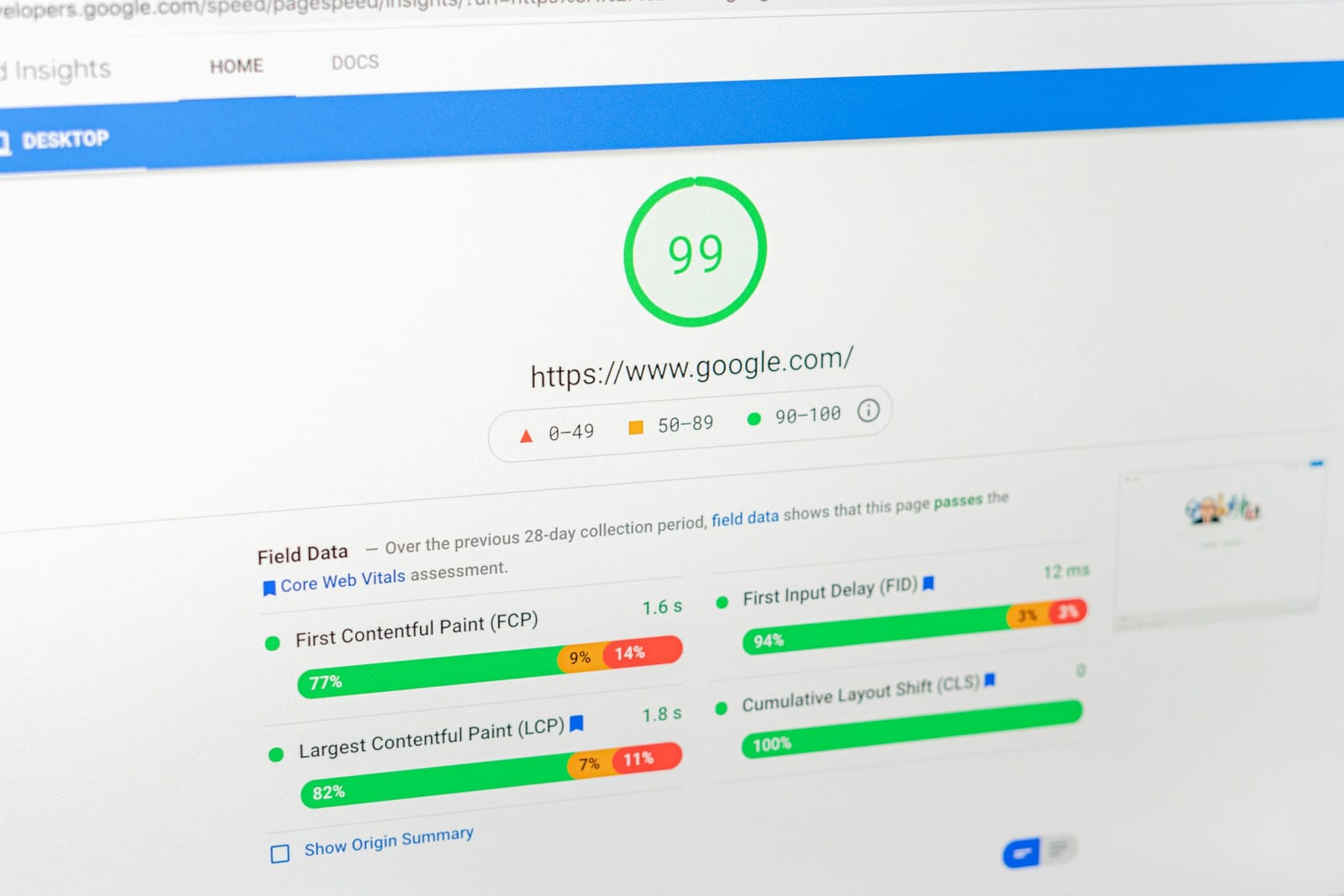
— PageSpeed Insights now scores how well AI agents can read and use your site. What Lighthouse's new Agentic Browsing category checks — and how to be ready.
— ORM firms, GEO specialists, law firms or DIY? A practical map of who actually corrects what ChatGPT, Gemini and AI Overviews say about a company.
— The main grassroots advocacy platforms — Quorum, VoterVoice, Bonterra, Muster, NationBuilder — compared, plus the campaign layer none of them supply.
— There is no ranking to check, so you measure AI visibility by observation. The four metrics that matter, how to build a baseline, and manual vs tool-based tracking across ChatGPT, Gemini, Perplexity and Google's AI Overviews.
— The mechanics of paid media in a fast-moving crisis: target impression share bidding, budget pacing through a demand spike, and keeping the message accurate at speed.
— When a crisis breaks, search demand spikes and the results page becomes the battleground. How paid search puts your accurate account in the top slots, fast.
— How Google knowledge panels and Wikipedia entries form, why they shape what people and AI believe about you, and the legitimate ways to keep them accurate.
Tell us a little about the situation — narrative, exposure, timing. We'll reply promptly with initial thoughts and next steps. Confidential, always.